01 / PROBLEM
The Problem
Grenic was producing single-fire high-depth cladding wall tiles for European export markets. Random glaze cracking kept appearing across batches with no predictable pattern - some tiles cracked, others from the same batch did not. The cracks only revealed themselves after firing, making them impossible to catch during production. European markets have zero tolerance for surface inconsistency and the threat of batch rejection was putting export relationships under real strain. Every fix attempted internally was aimed at the glaze layer. None of them worked.
02 / INTERVENTION
The Strategic Intervention
Aakriti studied all three structural layers together -- body, engobe, and glaze - rather than treating each in isolation. The coefficient of thermal expansion was mismatched across all three. During firing each layer was expanding at a different rate, and the glaze was absorbing all the stress until it cracked. The solution was a controlled granilla application in wet condition using a precisely calibrated mix of glue and water. This brought the thermal behavior of all three layers into alignment and distributed stress evenly across the tile during firing. Multiple lab trials were run to ensure the solution was fully production ready.
TECHNICAL CORE
Glaze cracking eliminated by balancing thermal expansion across body, engobe and glaze - tiles cleared for European export.
03 / THE RESULT
The Result
Random glaze cracking was eliminated completely and did not return. Production output became consistent and predictable across every batch. Tiles met European quality standards without exception, export relationships were stabilised, and new market opportunities opened. The production team shifted its full attention from defect management to market expansion. What looked like a surface defect turned out to be a structural systems issue - and fixing it at that level changed the entire business trajectory.
Visual Catalog
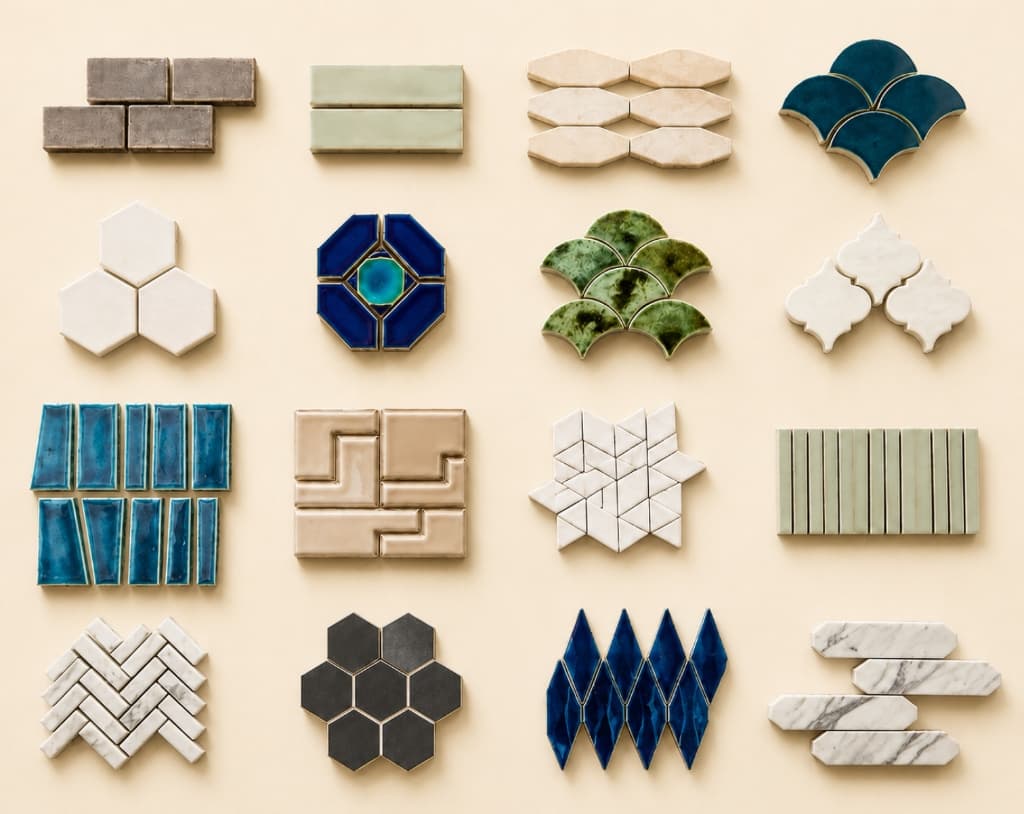
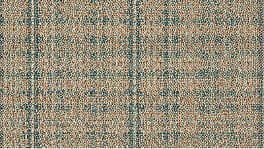
Structural glaze formulations and stress-tested vitrified finishes.